
Part 3 — Excitement, Chaos and Reality
The first rehearsal is where the idea of being in a band suddenly becomes real.
Up until that point it’s usually:
- conversations
- messages
- playlists
- dreams
- plans
- excitement
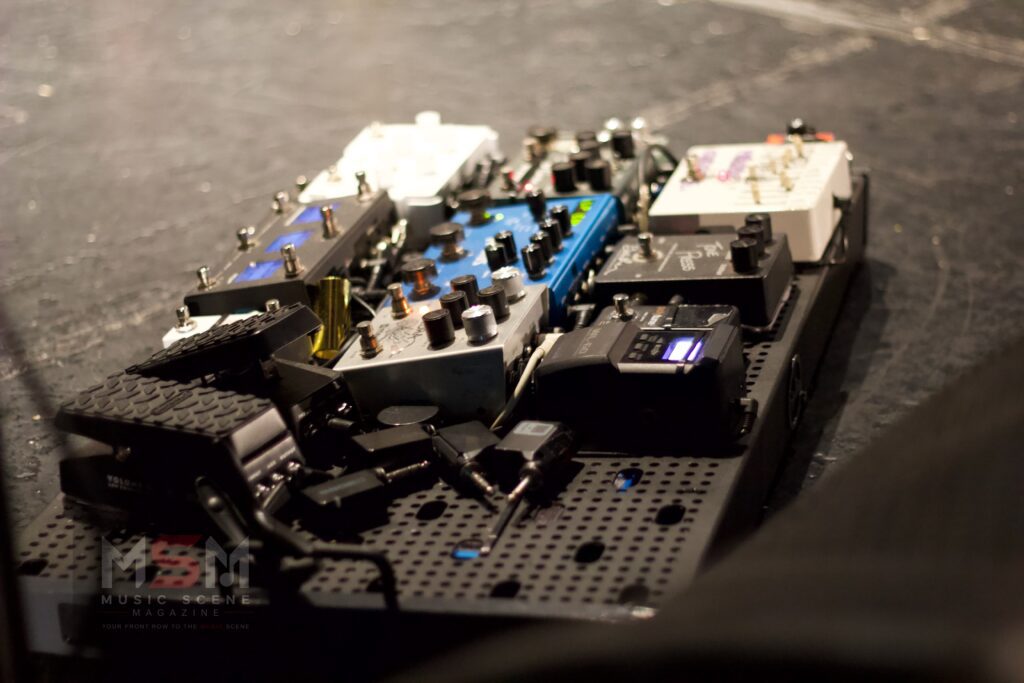
But the moment people walk into a rehearsal room carrying instruments, amps, drum hardware and nervous energy, reality arrives very quickly.
And honestly?
Most first rehearsals are a mixture of:
- excitement
- awkwardness
- chaos
- noise
- confusion
- and moments of brilliance hidden somewhere in between.
That’s completely normal.
Because learning how to play as a band is very different from learning how to play an instrument on your own.
The Fantasy vs The Reality
Many musicians secretly imagine the first rehearsal going like a film scene.
Everyone plugs in.
The drummer counts in.
The band instantly locks together perfectly.
Suddenly it sounds incredible.
The reality is usually far less glamorous.
Somebody forgets leads.
The guitarist is louder than everybody else.
The singer can’t hear themselves.
The drummer is playing too fast.
The bass player learned the wrong version.
Somebody hasn’t practised enough.
And yet hidden inside all that noise are the early building blocks of chemistry.
Because bands are not created instantly.
They are built slowly through repetition, listening, patience and shared experience.

Preparation Matters More Than People Think
One of the biggest signs of professionalism in any musician is simple preparation.
Nothing drains energy faster than:
- people learning songs during rehearsal
- constant stopping
- avoidable mistakes
- wasted time
Rehearsals should not be where people first hear the material.
They should be where the material begins coming together as a group.
That means:
- learning structures beforehand
- knowing keys
- understanding arrangements
- practising transitions
- listening carefully to recordings
The musicians who improve fastest are usually the ones doing work outside rehearsals as well.
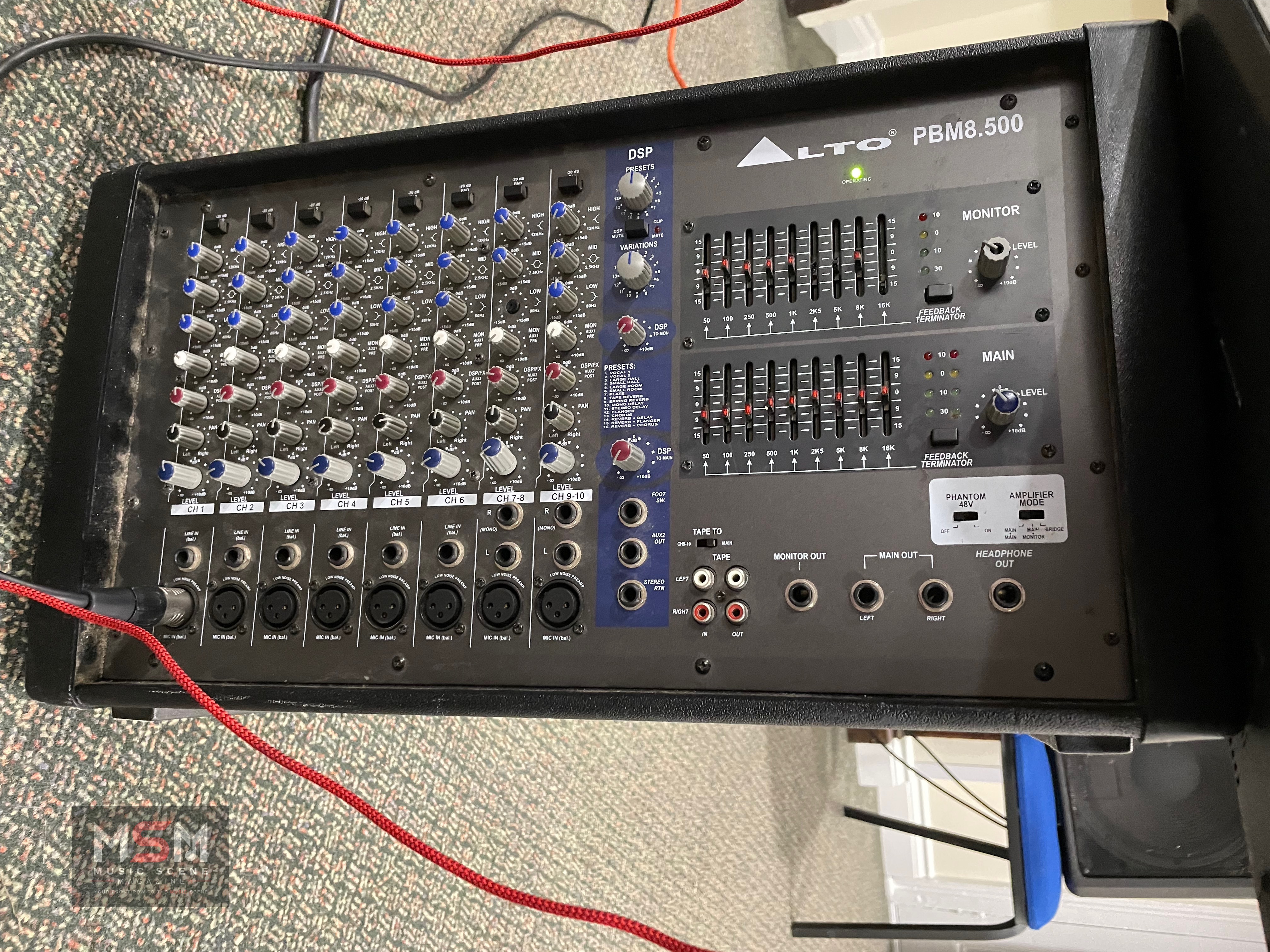
Volume Wars Kill Rehearsals
Almost every band experiences this at some point.
Everybody slowly turns up louder trying to hear themselves.
The guitarist increases volume.
Then the bassist.
Then the drummer hits harder.
Then the vocalist struggles.
Then everything becomes muddy noise.
Learning rehearsal discipline early is incredibly important.
Good rehearsals are not about being loud.
They are about hearing:
- timing
- mistakes
- dynamics
- vocals
- interaction between instruments
Experienced musicians quickly understand something important:
Tightness sounds more impressive than volume.
Recording Rehearsals Changes Everything
One of the most valuable things bands can do is record rehearsals regularly.
Not for social media.
For honesty.
Because what musicians think they sound like and what they actually sound like are often very different things.
Listening back reveals:
- timing problems
- weak vocals
- sloppy transitions
- tuning issues
- unnecessary overplaying
At first this can be uncomfortable.
But it’s also one of the fastest ways to improve.
Bands that analyse themselves objectively usually develop far quicker than bands simply “having a jam.”
The Importance Of Structure
Many young bands rehearse without any clear structure.
They:
- drift between songs
- talk too much
- noodle endlessly
- lose focus
- repeat mistakes
A productive rehearsal usually has:
- goals
- preparation
- focus
- repetition
- problem solving
Sometimes the best rehearsals are not the most exciting ones.
They are the ones where difficult sections are slowly improved through patience and repetition.
Because improvement in music is often gradual rather than dramatic.

Rehearsal Rooms Reveal Personality Very Quickly
One thing musicians often discover during early rehearsals is that personalities begin revealing themselves surprisingly fast.
You quickly learn:
- who prepares properly
- who listens
- who dominates
- who becomes defensive
- who supports others
- who stays calm under pressure
And these small behaviours matter.
Because rehearsals are usually the first environment where:
- egos
- insecurities
- work ethic
- ambition
- communication styles
all begin colliding together.
The strongest bands are rarely made up of identical personalities.
But they do learn how to work together constructively.
Mistakes Are Part Of The Process
One thing new musicians often fear is making mistakes during rehearsals.
But mistakes are normal.
Expected, even.
The important thing is how bands respond to them.
Do people:
- laugh them off constructively?
- help solve problems?
- encourage improvement?
Or:
- criticise aggressively?
- become frustrated?
- create tension?
Because rehearsal environments shape confidence.
And confidence shapes performance.
Good bands learn how to improve each other without tearing each other down.

The Chemistry Moment
Every so often during rehearsals something happens.
For a few seconds:
- the timing locks in
- the groove settles
- the vocals lift
- the energy connects
And suddenly the band sounds real.
Those moments are addictive.
That’s often the moment musicians realise:
“This could actually become something.”
The challenge then becomes repeating those moments consistently.
There Are No Shortcuts
One of the hardest lessons many musicians eventually learn is that there are no real shortcuts to success — whatever your version of success may be.
Whether success means:
- playing local venues regularly
- recording original music
- building a loyal following
- touring
- festivals
- or simply becoming a genuinely tight live band
it will always require effort.
Consistent effort.
And not just from one person.
That’s where bands become complicated.
Because while you can control:
- your own preparation
- your own work ethic
- your own attitude
- your own commitment
you cannot fully control the effort, motivation or ambition of the other people around you.
And this is where frustration often begins inside bands.
Sometimes one member pushes constantly while others drift.
Sometimes somebody loses motivation.
Sometimes life changes priorities.
Sometimes the energy levels inside the band slowly become uneven.
That imbalance can quietly damage momentum over time.
A successful band usually requires a group of people all continuing to pull in roughly the same direction — even during periods where excitement fades and progress feels slow.
There will always be moments where rehearsals feel difficult, gigs disappoint, audiences are small or opportunities fail to appear.
That’s normal.
The bands that steadily move forward are rarely the ones waiting for success to magically arrive.
They are usually the ones continuing to work when things stop feeling exciting.
Because long-term progress in music is normally built through:
- consistency
- patience
- resilience
- repetition
- shared effort
rather than quick wins or overnight success stories.

The Reality Nobody Talks About
The first rehearsal is not about perfection.
It’s about foundations.
Many legendary bands probably sounded rough during their earliest rehearsals.
What separated successful bands from forgotten ones was often not immediate brilliance — but the willingness to:
- keep improving
- keep rehearsing
- keep communicating
- keep showing up
Because chemistry is built.
Not magically discovered overnight.
Final Thoughts
The first rehearsal is exciting because it represents possibility.
But possibility alone achieves nothing without effort.
Bands grow through:
- repetition
- patience
- honesty
- discipline
- resilience
And while those early rehearsals may sometimes feel chaotic, awkward or frustrating, they are also where some of the strongest memories and friendships in music begin.
Every tight live band you have ever seen once stood awkwardly in a rehearsal room wondering whether they were any good.
The difference is that they kept going.

Coming Next Week…
Your First Gig — Nerves, Mistakes and Surviving The Stage
Next time in So You Wanna Build a Band? we leave the rehearsal room and step onto the stage for the first time.
From nerves, technical disasters and tiny crowds through to stage presence, confidence and learning how live performance really works, we explore why first gigs are often chaotic, unforgettable and one of the biggest learning curves any band will face.
New instalments of So You Wanna Build a Band? will be published every Friday at 5pm as Music Scene Magazine continues exploring the realities of building, growing and surviving as a band within today’s live music scene.
Keep watching for the next chapter — and for the latest updates, features and live music content, be sure to subscribe to the Music Scene Magazine newsletter.