
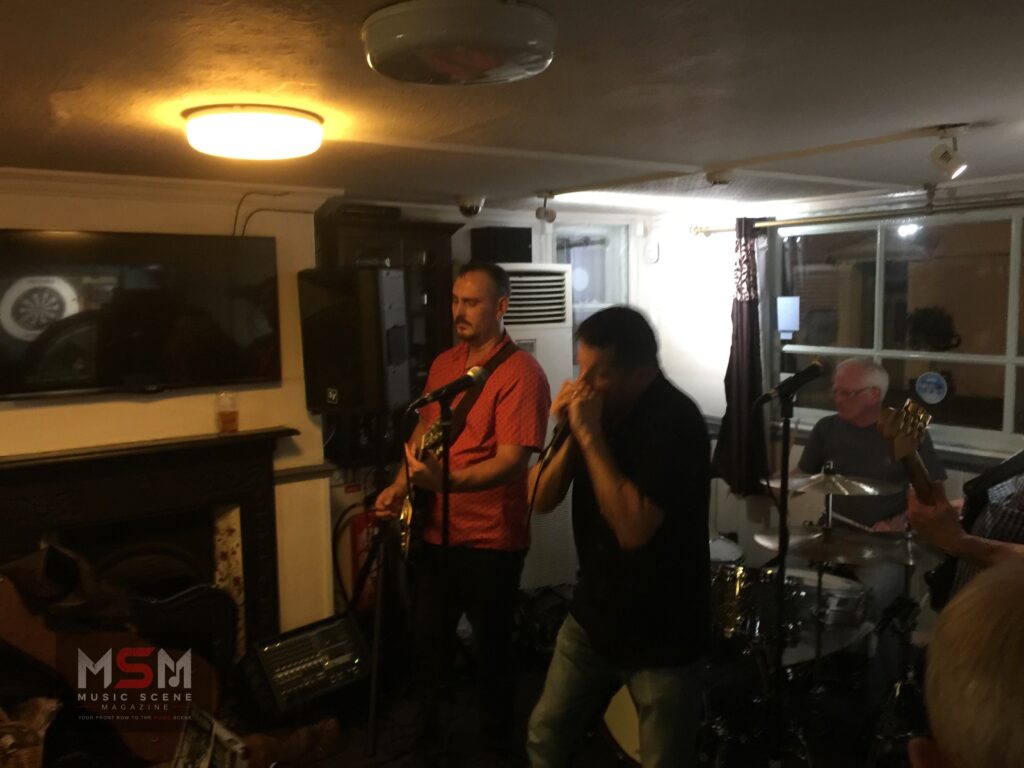
Part 2 — Talent Is Only Half The Story
How to start a band -one of the biggest mistakes new bands make is believing that technical ability is the only thing that matters.
It isn’t.
Of course talent matters.
Good musicians lift a band.
Strong singers, tight drummers, creative guitarists and solid bass players can transform a rehearsal room instantly.
But talent alone will not hold a band together.
In fact, some of the most technically gifted musicians can also become the hardest people to work with.
And many experienced bands eventually discover something important:
Reliability, attitude and shared ambition are often more valuable than raw ability alone.
Because building a band is not just about music.
It’s about people.
Not Every Friend Should Be In Your Band
A lot of bands start with friendship groups.
That’s natural.
You already know each other.
You share music tastes.
You spend time together anyway.
But friendship and band chemistry are not always the same thing.
Some people are brilliant friends and terrible band members.
Others may seem quiet socially but become incredibly dependable musicians once rehearsals and gigs begin.
This is where honesty matters.
Because eventually every band needs people who:
- turn up on time
- learn material properly
- take rehearsals seriously
- communicate well
- support the group
- stay calm under pressure
Without that foundation, cracks appear very quickly.
Talent vs Reliability
Most musicians have encountered this at some point:
The incredibly talented player who:
- never practises
- arrives late
- ignores messages
- cancels rehearsals
- creates drama
- refuses criticism
At first, bands often tolerate this because the person is gifted.
But over time it becomes exhausting.
Meanwhile, the less flashy musician who:
- works hard
- keeps improving
- supports the band
- learns quickly
- stays committed
often becomes the person everybody relies on.
The truth is:
A dependable band member is worth their weight in gold.
Because bands only move forward when everybody pulls in the same direction.
Shared Ambition Matters
This is one of the biggest reasons bands quietly fall apart.
People want different things.
One member may want:
- touring
- recording
- constant rehearsals
- serious progression
Another may simply want:
- occasional gigs
- a social outlet
- pub performances
- casual fun
Neither is wrong.
But when ambition levels are completely different, frustration usually follows.
The hard-working members begin feeling unsupported.
The more casual members begin feeling pressured.
And eventually tension grows.
This is why bands should talk openly very early about:
- goals
- rehearsal expectations
- gig frequency
- commitment levels
- musical direction
Avoiding the conversation doesn’t prevent problems.
It usually creates bigger ones later.

Ego Can Kill A Band Faster Than Bad Music
Confidence is important in music.
Arrogance is destructive.
There’s a huge difference between:
- believing in yourself
and - believing you’re above everybody else
Bands work best when people:
- listen
- compromise
- accept feedback
- respect each other’s strengths
Nobody wants rehearsals to feel like emotional warfare.
Musicians who constantly:
- compete
- dominate
- belittle
- seek attention
- dismiss ideas
can drain the energy from a project very quickly.
The strongest bands usually develop mutual respect.
Not constant one-upmanship.
Auditions Work Both Ways
Many musicians think auditions are only about impressing the band.
But smart musicians are also quietly judging:
- personalities
- atmosphere
- professionalism
- organisation
- attitude
Because joining the wrong band can waste months or even years.
When auditioning:
- learn the material properly
- arrive prepared
- be respectful
- stay relaxed
- listen as much as you play
And remember:
Bands are not just looking for musicians. They’re looking for people they can survive stressful situations with.
That matters far more than many realise.
The Chemistry Factor
Some bands simply click.
You feel it almost immediately.
The rehearsal flows naturally.
Conversation feels easy.
The music locks together.
People encourage each other.
That chemistry cannot always be explained technically.
And sometimes a slightly less skilled line-up with strong chemistry will outperform technically superior musicians who don’t connect properly.
Because audiences often respond to:
- energy
- authenticity
- connection
- belief
far more than perfection.
The Reality Nobody Mentions
Choosing band members is one of the most important decisions any musician makes.
Because these become the people you will:
- rehearse with
- travel with
- argue with
- problem solve with
- perform with
- succeed with
- fail with
And once gigs, pressure, money and expectations enter the picture, personalities become just as important as musical ability.
Great bands are rarely built entirely on talent alone.
They’re built on trust.
Bands, Friendships and Time
One of the strange realities of being in bands is that music can create incredibly strong friendships — but it can also quietly expose differences between people over time.
Many musicians have experienced friendships that became incredibly important during certain periods of life:
- rehearsing every week
- writing songs together
- travelling to gigs
- spending endless hours talking about music
Those shared experiences can create bonds that feel unbreakable at the time.
And yet life moves on.
Some friendships deepen.
Others slowly drift apart.
Some end suddenly after disagreements that, looking back years later, may not even seem particularly important anymore.
Many musicians can probably think of somebody they once played with constantly — somebody who was a huge part of their musical life — but who they no longer speak to.
Sometimes the disagreement itself is not even the real issue.
Often it’s pride, misunderstanding, lack of communication or simply two people carrying very different perspectives of the same situation.
What one person sees as betrayal, another may remember completely differently.
And the difficult thing about arguments within bands is this:
Music attaches emotion to memory very strongly.
Songs, rehearsals, venues and periods of life become emotionally linked to the people involved.
That means disagreements inside bands can sometimes stay with people for decades, long after the original argument itself should probably have faded away.
Maturity often brings a different perspective.
As people get older, many begin to realise:
- everyone carried stress differently
- everyone had insecurities
- everyone had their own version of events
- and sometimes friendships faded not because either person was entirely wrong, but because communication slowly broke down over time
Bands are made of human beings.
Human beings are complicated.
And perhaps one of the most overlooked skills within successful bands is not simply musicianship — but learning how to navigate friendship, disagreement, ego and forgiveness without destroying the entire project in the process.
Final Thoughts
Finding the right musicians takes time.
Sometimes bands form instantly.
Sometimes it takes years to find the right mix of:
- talent
- personality
- work ethic
- ambition
- chemistry
And that’s normal.
One of the biggest mistakes musicians make is forcing the wrong people together simply because they’re desperate to get started.
Take your time.
Because the people you choose around you will shape:
- the music
- the atmosphere
- the opportunities
- and ultimately the future of the band itself.
The right line-up doesn’t just make rehearsals easier.
It makes survival possible.
Coming Next Week…
The First Rehearsal — Excitement, Chaos and Reality
Next time in So You Wanna Build a Band? we step into the rehearsal room for the very first time and explore what really happens when musicians begin trying to play together as a band.
From nerves, volume wars and forgotten chords through to rehearsal etiquette, preparation, structure and learning how to actually improve as a group, we look at why the first few rehearsals often shape the future of a band more than people realise.
New instalments of So You Wanna Build a Band? will be published every Friday at 5pm as Music Scene Magazine continues exploring the realities of building, growing and surviving as a band within today’s live music scene.
Keep watching for the next chapter — and for the latest updates, features and live music content, be sure to subscribe to the Music Scene Magazine newsletter.